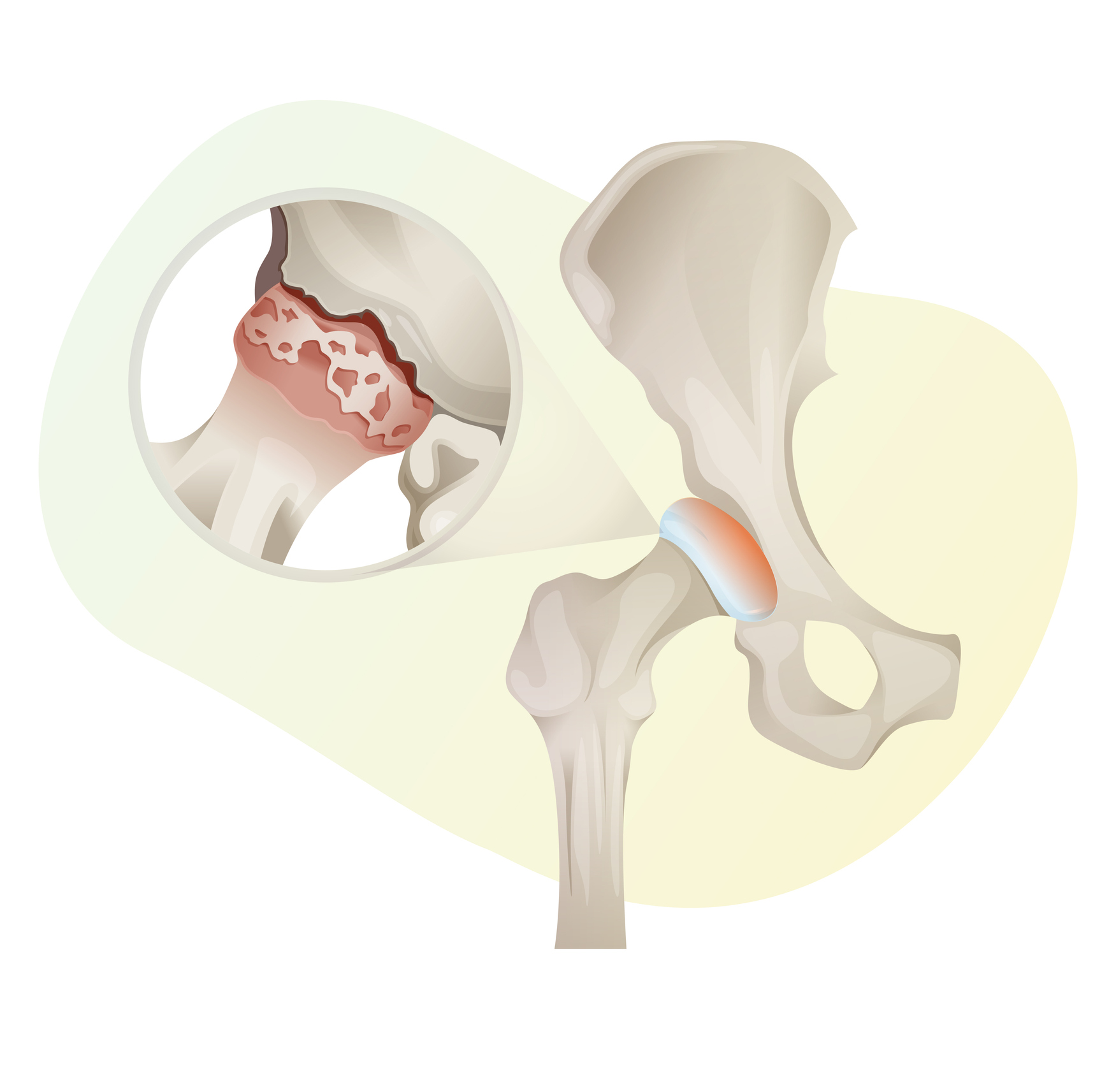
Told you are bone on bone hip and stopped moving because of it? Two large studies found hip pain and hip x-rays agree far less often than anyone assumes.

Learn about common pain-causing health conditions, their progression paths, their causes, and effective treatment options. Our blog offers valuable information to people who experience pain and anyone who wishes to learn more about long-lasting, safe, and noninvasive treatments.
These articles also explain how Superior Physical Therapy addresses these common health problems through an innovative approach called the Superior Method. This approach aims to accurately identify the underlying cause of pain in order to develop a more tailored and collaborative treatment plan.
Told you are bone on bone hip and stopped moving because of it? Two large studies found hip pain and hip x-rays agree far less often than anyone assumes.
A Norwegian trial followed 109 people for six years. Hip arthritis exercise pushed the median time to a hip replacement out by nearly two years.
Your surgery date is set. Prehab before hip replacement is the six weeks most people waste, and the research on strength and recovery says don't.
Roughly 40 percent of every walking cycle is spent balanced on one leg. If your single-leg stability isn't there after hip replacement, nothing feels safe — regardless of your range of motion.
Scar tissue forms in every hip replacement. Whether it restricts your recovery depends almost entirely on whether it's addressed during the 6-to-12 week remodeling window — and most PT programs miss it.
The question I hear more than any other in my clinic. Here's what normal progress actually looks like across the 12 weeks after hip replacement — phase by phase, with realistic milestones.
Michigan is a direct-access state — the PT referral in your discharge packet is a recommendation, not a requirement. Here are the five questions to ask before you commit to any clinic.
Patients who do prehab before hip replacement recover faster, hurt less, and get back to independence sooner. Here's why almost nobody does it — and how to start.
Was Your Hip MRI or X-ray Really Worth It? You finally got the imaging. After weeks—or months—of hip pain, your doctor ordered an MRI or X-ray. You were hoping for clarity. Answers. A clear path forward. Instead, you got a...
Why Does My Hip Hurt All of a Sudden? It always seems to happen out of nowhere. You wake up, take a few steps… and there it is. A sharp pinch. A deep ache. A stiffness that wasn’t there yesterday....
3 Simple Self-Tests to Understand Your Hip Pain—And What to Do About It Hip pain can feel confusing. Is it coming from the joint? The muscles? The tendons? Or something else entirely? While a true diagnosis should always come...
Dispelling the Myth of Hip “Bone on Bone” with Biotensegrity If you’ve ever been told you have “bone on bone” in your hip, you’re not alone. It’s one of the most common—and most alarming—phrases patients hear after an orthopedic...
In today’s post, we're going to be talking about the three most common hip joint diagnoses, two of which are mistakenly attributed to hip pain. Osteoarthritis is the most common and is also known as “joint space narrowing”, “degenerative joint disease”, and (my least favorite name) “bone on bone”. I’ll talk more about “bone on bone” later. The number two most common diagnosis is hip bursitis, and number three is a labral tear.