Pelvic Floor Therapists, Dr. Chupka-Fuson & Dr. Patterson Understanding Healing: The Pelvic Floor Process Understanding the Healing Process If you’ve been dealing with pelvic floor problems for a while, it can be hard to imagine a future without...

Learn about common pain-causing health conditions, their progression paths, their causes, and effective treatment options. Our blog offers valuable information to people who experience pain and anyone who wishes to learn more about long-lasting, safe, and noninvasive treatments.
These articles also explain how Superior Physical Therapy addresses these common health problems through an innovative approach called the Superior Method. This approach aims to accurately identify the underlying cause of pain in order to develop a more tailored and collaborative treatment plan.
Pelvic Floor Therapists, Dr. Chupka-Fuson & Dr. Patterson Understanding Healing: The Pelvic Floor Process Understanding the Healing Process If you’ve been dealing with pelvic floor problems for a while, it can be hard to imagine a future without...
Pelvic Floor Therapy Means a Bright Future When you’ve been dealing with pelvic floor symptoms (incontinence, pelvic pain, etc.) for months, years, or even decades, it’s easy to start thinking, “This is just how life is now.” Maybe you’ve told...
Why Shoulder Surgery Isn’t Always the Answer: What Research and Clinical Guidelines Say—And What to Do Instead Shoulder pain is one of the most common musculoskeletal complaints in the world. From rotator cuff tears to impingement and frozen shoulder,...
Key Benefits of Class IV Red Light Laser Therapy Imagine a therapy that’s fast, non-invasive, drug-free—and actually helps your body heal itself. That’s the magic of Class IV Red Light Laser Therapy, one of the most exciting advancements in...
Rotator Cuff Anatomy, Tendinopathy, and the Functional Path to Healing Shoulder pain can be relentless—especially when it starts small and spirals into limited motion, weakness, or even sleepless nights. One of the most common culprits? Rotator cuff tendinopathy. But the...
Class IV Red Light Laser Therapy: Frequently Asked Questions If you’ve been hearing about Class IV Red Light Laser Therapy and wondering what it’s all about—you’re not alone! This exciting and non-invasive treatment is helping people feel better, heal...
Frozen Shoulder: Understanding the Anatomy and the Functional Path to Recovery Stiffness. Pain. Frustration. If you feel like your shoulder is slowly “locking up,” you may be dealing with Frozen Shoulder, also known as Adhesive Capsulitis. It’s a condition...
The Science Behind Class IV Red Light Laser Therapy Class IV Red Light Laser Therapy might sound like something out of science fiction—but it’s very real, incredibly powerful, and changing lives every day. This cutting-edge technology is making waves in...
Shoulder Pain Might Not Be a Shoulder Problem Shoulder pain can be incredibly frustrating. It limits how you work, move, sleep—and live. But here’s something most people (and many treatments) miss: Your shoulder pain might not be caused by...
What is Class IV Red Light Laser Therapy? Welcome to the future of healing! At the forefront of modern wellness and recovery is a groundbreaking modality that’s making waves in physical therapy, sports medicine, and holistic health circles: Class...
4 Myths About Physical Therapy Costs When it comes to physical therapy, misinformation about costs can keep you from getting the care you need. At Superior Physical Therapy, we’re debunking the top five myths about physical therapy costs to...
Membership Plan Helps You Recover Faster When pain strikes—whether it’s a nagging backache or a shoulder injury from the job—you want relief fast. But traditional physical therapy, bogged down by insurance delays and limited sessions, often leaves you stuck...
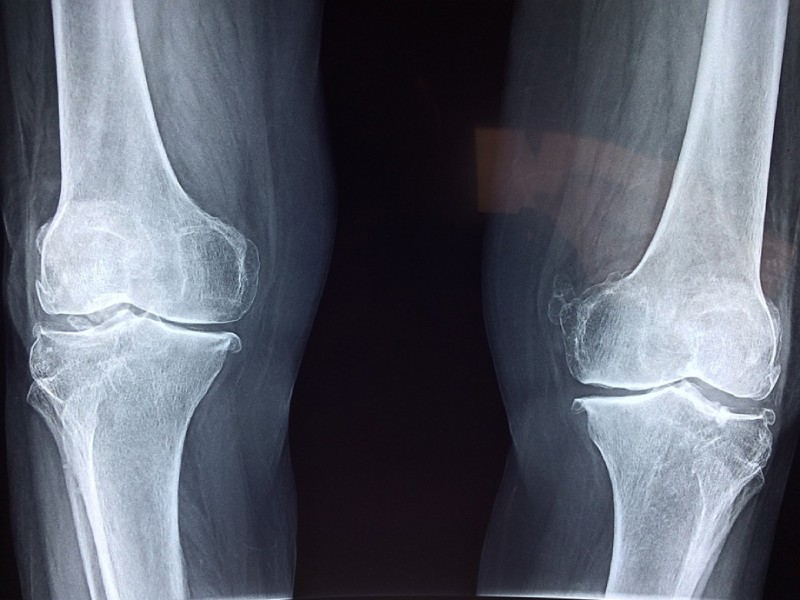
In countries with data available, knee arthroscopy is the most common orthopedic procedure Data reviewed by an international multidisciplinary panel that included physical therapists Guideline makes a "strong recommendation" against the use of arthroscopy in nearly all patients with degenerative...
The US Centers for Disease Control and Prevention's (CDC's) latest snapshot of arthritis prevalence, severity, and related physical inactivity reported in 2017 looks a lot like its previous one, based on 2015 data. As then, an estimated 1 in 4...
Should patients experiencing chronic, atraumatic shoulder pain for three or more months undergo surgery? A new paper recently published in the BMJ advises strongly against it. The paper’s authors summarized their evidence-based recommendations into a new Clinical Practice Guideline (CPG),...
To determine the benefits and harms of subacromial decompression surgery in adult patients with subacromial pain syndrome lasting for more than 3months. Download PDF File
Knee MRI is increasingly used to inform clinical management. Features associated with osteoarthritis are often present in asymptomatic uninjured knees; however, the estimated prevalence varies substantially between studies. We performed a systematic review with meta-analysis to provide summary estimates of...
The Food and Drug Administration has just issued what’s called a “Medwatch Alert” warning that Epidural steroid injections or “ESIs” for back and neck pain can be extremely dangerous. The alert says: “Injection of corticosteroids into the epidural space of...
Unlike drugs, orthopedic surgeries can be sold to the public before they undergo any rigorous testing to ensure they are safe and effective. Thus, millions of surgeries for knee, shoulder, and back pain have been done even without any research...
When it comes to diagnosing most back pain, MRI machines are like Monty Python’s medical machinery that goes “bing.” For back pain, MRI and X-ray are medical machines that make false alarms. They don’t always make false alarms, of course....
If you’re considering having spinal surgery as the final fix for your back pain, I’d like to help you to think again about your options.I’m a spinal surgeon and I want you to know that surgery is not your best...
When the Food and Drug Administration approved magnetic resonance imaging (MRI) scanners in 1984, the machines seemed incredible. They offered an inside view of the human body, making it easier to diagnose disease, injuries and physical abnormalities. Today, they’re part...
The purpose of this study was to prospectively evaluate the prevalence of abnormal magnetic resonance imaging scans of the knees of asymptomatic subjects. A prospective analysis of magnetic resonance imaging to arthroscopic findings in symptomatic knees was also performed. Download...
Total knee replacement utilization in the United States more than doubled from 1999 to 2008. Althoughthe reasons for this increase have not been examined rigorously, some have attributed the increase to population growth and the obesity epidemic. Our goal was...