
 (231) 944-6541
 West:
West: 
Understanding Bunions: Causes, Symptoms, and the Power of Applied Functional Science in Physical Therapy
Bunions can be more than just a cosmetic concern—they often lead to pain, limited mobility, and difficulty with everyday tasks. If you're experiencing discomfort at the base of your big toe or noticing a visible bump forming, you're not alone. Millions of people struggle with bunions, but there's hope beyond surgery. At Superior Physical Therapy, we specialize in using Applied Functional Science (AFS) to address the root causes of bunions and help you walk, run, and live without pain.
What Is a Bunion?
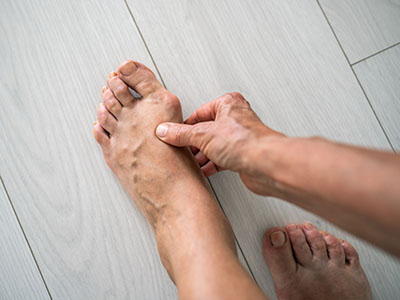
A bunion (medical term: hallux valgus) is a bony bump that forms on the joint at the base of your big toe. Over time, the big toe begins to lean toward the second toe, altering the natural alignment of the bones and causing the joint to stick out.
Common symptoms include:
- A visible bump on the side of the foot
- Swelling, redness, or soreness around the big toe joint
- Persistent or intermittent pain
- Limited movement in the big toe
- Difficulty finding comfortable footwear
What Causes Bunions?
Bunions develop gradually and are often caused by a combination of genetic factors and mechanical stress. Some of the primary contributors include:
- Footwear: Shoes that are too tight, narrow, or high-heeled can place unnatural pressure on the big toe joint.
- Foot structure: Inherited foot types such as flat feet or low arches can lead to instability in the toe joint.
- Joint instability: Weakness or imbalance in the muscles and ligaments supporting the foot.
- Arthritis: Inflammatory conditions like rheumatoid arthritis can lead to joint damage and deformity.
But here's the critical insight: while bunions are visible at the big toe, the underlying dysfunction often starts elsewhere—in how the foot moves and functions as a whole.
The Applied Functional Science Approach: Beyond the Bump
At Superior Physical Therapy, we take a unique and highly effective approach based on Applied Functional Science (AFS). Unlike traditional treatments that often focus only on the symptoms, AFS dives deep into how your body moves as an integrated system—especially the interaction between your foot, ankle, hips, and core.
- Strengthening the Foot Muscles
Bunions often stem from weakness and instability in the small, intrinsic muscles of the foot. With AFS-based physical therapy, we:
- Re-educate the foot on how to load and engage properly.
- Use barefoot exercises to build strength and improve control in the arch, toes, and ankle complex.
- Promote functional strength by integrating foot movements with knee and hip stabilization.
This not only prevents further bunion progression but also creates a more resilient foot structure.
- Reducing Pain through Integrated Movement
Pain associated with bunions is often amplified by compensations in gait and posture. AFS-based therapy:
- Analyzes your entire kinetic chain to identify movement dysfunctions.
- Uses dynamic, three-dimensional exercises to retrain natural walking and running patterns.
- Reduces stress on the big toe joint by improving motion in the ankle, hip, and pelvis.
By addressing the chain reaction throughout the body, we reduce inflammation and relieve pressure where it hurts most.
- Improving Mobility for Long-Term Relief
Stiffness in the toe joint and surrounding structures limits mobility and function. AFS uses:
- Gentle joint mobilizations and soft tissue techniques to restore natural range of motion.
- Stretching sequences targeting the calf, Achilles tendon, and plantar fascia to relieve tension.
- Functional mobility drills that simulate real-life activities—so your foot learns to move the way it was meant to.
This holistic mobility work enhances balance, coordination, and overall foot performance.
Say Goodbye to the Bunion Struggle
If you've been told surgery is your only option, it’s time to explore a proven, non-invasive path to healing. At Superior Physical Therapy, our AFS-driven protocols empower you to regain control over your movement, reduce pain, and improve how your body feels and functions—starting from the ground up.
Don’t ignore your feet—they’re the foundation of your health. Book a consultation with us today and let’s get started on building a stronger, pain-free future.
Check out our Movement Assessment web page for more info on how an assessment can help you prevent injuries.
IF you have SI Joint pain, check our video on Why You Don't Have to Stop Running.