 (231) 944-6541
 West:
West: 
Tarsal Tunnel Syndrome: What It Is and How Functional Physical Therapy Can Help You Heal
Foot pain can stop you in your tracks—especially when it stems from a condition like Tarsal Tunnel Syndrome (TTS). If you’re feeling burning, tingling, or numbness in your foot and ankle, particularly near the inner ankle, TTS may be the culprit.
While some may turn to injections or even surgery, there’s a powerful, non-invasive approach that addresses the root cause of the problem: Applied Functional Science (AFS) physical therapy. At Superior Physical Therapy, we use AFS to restore natural movement, relieve nerve compression, and promote long-term healing.
What Is Tarsal Tunnel Syndrome?
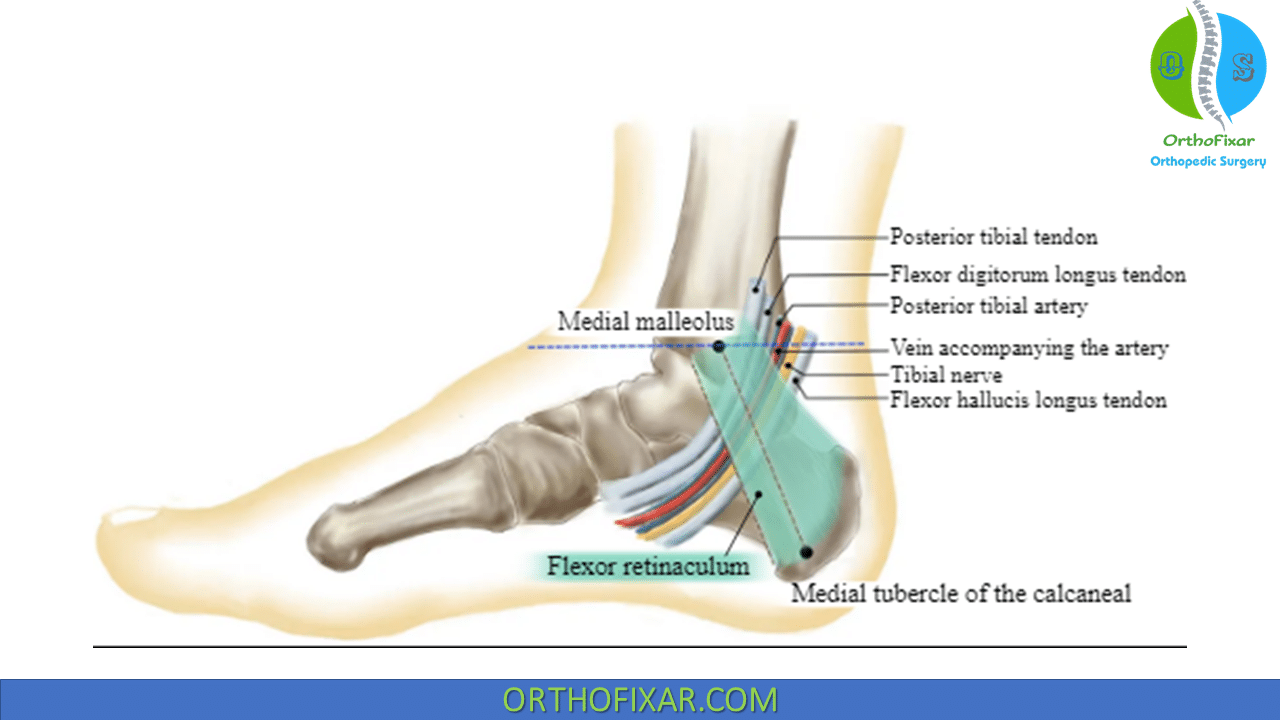
Tarsal Tunnel Syndrome is a nerve compression condition, similar to carpal tunnel syndrome in the wrist. It affects the posterior tibial nerve, which runs along the inside of your ankle through a narrow space called the tarsal tunnel—a passageway bordered by bones and ligaments.
Common Symptoms of TTS:
- Burning or tingling sensations in the foot
- Numbness or “pins and needles” feeling in the arch or heel
- Sharp, shooting pain radiating into the toes
- Symptoms worsening with walking or standing
- Weakness in foot muscles or instability
TTS can affect athletes, people with flat feet, those who stand for long periods, or anyone recovering from foot/ankle injuries.
What Causes Tarsal Tunnel Syndrome?
The root cause of TTS is pressure or irritation of the posterior tibial nerve, and that pressure can come from a variety of sources:
- Overpronation (collapsing arches) causing the nerve to stretch or compress
- Tight or inflamed soft tissues like the flexor retinaculum
- Scar tissue or swelling from previous injuries
- Foot and ankle misalignment due to muscular imbalance
The key to healing TTS is not just treating the symptoms, but resolving the underlying mechanical dysfunction that’s causing the nerve compression.
The Power of Applied Functional Science in Healing TTS
Traditional treatments for Tarsal Tunnel Syndrome may include rest, bracing, corticosteroids, or even surgery. But these often fail to address how the body moves—and that’s where Applied Functional Science (AFS) offers a game-changing advantage.
AFS looks at your entire kinetic chain—from your foot all the way up to your hips and spine—and how each joint and muscle contributes to the problem. It's a 3D, functional approach to healing and prevention.
Here’s How AFS-Based Physical Therapy Treats TTS:
- Identify the True Source of Nerve Compression
AFS-trained therapists don’t just treat the site of pain—they assess how the whole body moves. With gait analysis and functional movement screening, we determine:
- Whether collapsed arches or poor ankle motion are overloading the nerve
- If hip tightness or poor core activation is shifting stress downward
- How your stride pattern or footwear choices may be exacerbating symptoms
- Restore Mobility in the Foot and Ankle
To relieve pressure on the tarsal tunnel, we need to mobilize the surrounding joints:
Targeted stretches and mobilizations for the ankle joint (especially dorsiflexion)
Mobilizing the midfoot to reduce stiffness and restore alignment
Enhancing the flexibility of the Achilles tendon and plantar fascia
This creates space and reduces compression around the tibial nerve.
- Strengthen the Foot’s Support System
Once mobility is restored, stability becomes the focus. AFS doesn’t just isolate muscles—it builds coordinated strength through functional patterns:
- Strengthening intrinsic foot muscles to lift the arch
- Activating the posterior tibialis to support the medial side of the foot
- Using barefoot exercises and balance challenges to improve foot-ground connection
- Correcting movement imbalances, such as hip tightness or poor core activation
- Reprogram Movement to Prevent Recurrence
Pain is often the result of poor movement habits. AFS retrains your body with:
- Multi-directional lunges, step patterns, and balance drills
- Movement reeducation that mimics walking, running, and real-life demands
- Gradual return to full activity with enhanced coordination and confidence
Tarsal Tunnel Syndrome doesn’t have to mean surgery or long-term limitations. At Superior Physical Therapy, our Applied Functional Science approach is personalized, dynamic, and designed to treat the root cause, not just the symptoms.
Whether you’ve just begun to feel tingling or have struggled with chronic foot pain, we’re here to help your body move, heal, and thrive.
Ready to Get Back on Your Feet?
Schedule a full-body movement assessment today and take the first step toward lasting relief from Tarsal Tunnel Syndrome—without invasive procedures or unnecessary downtime. Click here Movement Assessment web page for more info on how an assessment can help you prevent injuries.
Also, check out our self-help video playlist for better movement and pain relief on YouTube: Pain Relief Exercises